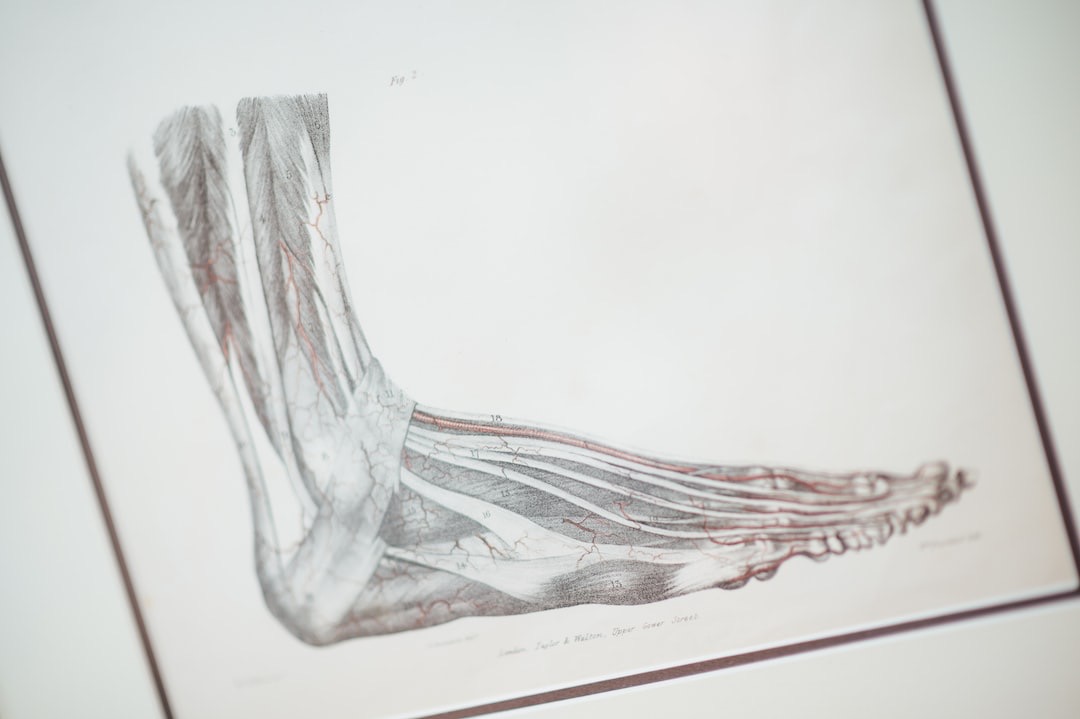
Human Anatomy & Physiology 1 (BIOL 1220)
Biology 1120 Fall 2025
Instructor: Bruce Clarkson M.Sc., M. Ed.
email: bclarkson@vcc.ca.
Class website: anatomicaphysiologia.com (This is where your will find class notes and other resources)
Textbooks:
- Anatomy and Physiology Laboratory Manual. McIntyre, Gordon Vancouver Community College, Vancouver.
- Human Anatomy and Physiology (12th ed.), Human Anatomy and Physiology, Marieb.
LAB MANUAL PDF
ZOOM will be used during this course. It is required that you participate and that you have your camera on.
Course topics
TEST 1
Chapter 1: Introduction to Anatomy and Physiology
Chapter 2: The Chemistry of Life
Chapter 3: Introduction to Cells
Chapter 4: Histology
TEST 2
Chapter 11: Introduction to the Nervous System and Nervous Tissue
Chapter 12: The Central Nervous System
Chapter 13: The Peripheral Nervous System
Chapter 14: The Autonomic Nervous System and Homeostasis
Chapter 15: The Special Senses
Test 3 (Final)
Chapter 16: The Endocrine System
Chapter 26: The Reproductive System
Chapter 27: Development and Heredity
Assignment
Lab Quiz 1 - 7.5 marks
Lab Quiz 2- 7.5 marks
Lab report- 10 marks
Midterm I- 25 marks
Midterm II- 25 marks
Final Exam- 25 marks
Grade Scheme:
A+ 90 – 100 A 85 – 89 A- 80 – 84
B+ 76 – 79 B 72 – 75 B- 68 - 71
C+ 64 – 67 C 60 - 63 C- 55 - 59
D 50 - 54 F below 50
Notes:
1. Late assignments will have 50% of marks deducted per day. Reports more than two days late may not be marked. No extensions granted.
2. Copying of material and plagiarism is not acceptable. Violations will result in a grade of zero or failure of the course, depending on the severity of the offence.
3. Attendance of lab exercises is mandatory. Missing these sessions can result in a reduced mark or a zero on the lab reports and/ or a failure to complete the course requirements.
4. The final exam will cover the last third of the course only; however, college regulations require that the final exam must be written in order to pass the course.
5. Make-up tests for missed exams will only be given when appropriate documentation regarding absence is provided. Miss a test without an acceptable reason and you will be given a mark of zero.
All make-up tests will be given the last week of the semester
6. * It is the student’s responsibility to attend class in order to keep informed regarding changes in due dates, tests, changes in curriculum or assignments.
7. Masks and other personal protection are suggested for any face to face events.
PLEASE NOTE:
Any of the above is subject to change.
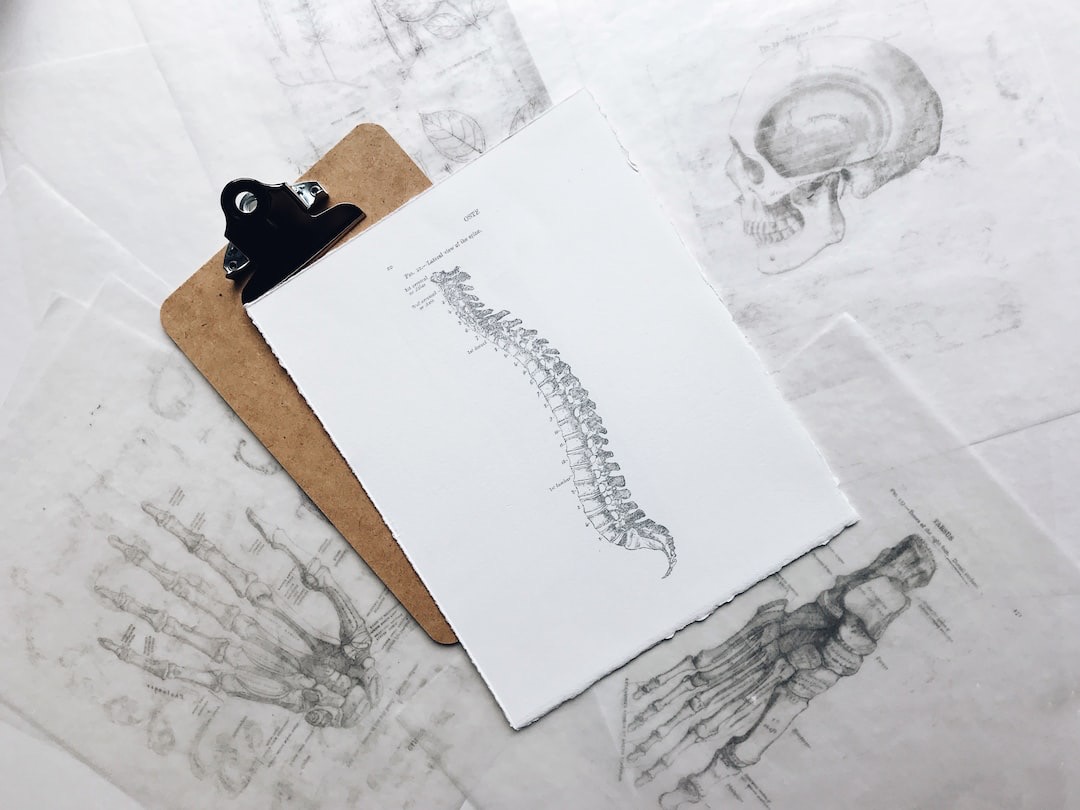
What are the 5 most successful ways to study for a multiple choice human anatomy and physiology exam?
Studying for a multiple-choice exam in human anatomy and physiology can be challenging due to the complexity and volume of information involved. However, there are several effective strategies that can help you retain the material and perform well.
Here are the 5 most successful ways to study for a multiple-choice exam in this subject:
1. Active Recall with Flashcards
Why it works: Active recall is one of the most powerful ways to solidify knowledge. By forcing yourself to recall information without looking at your notes, you create stronger neural connections and improve long-term retention.
How to use it: Create flashcards (physical or digital, using apps like Anki or Quizlet) for important terms, processes, structures, and functions. For example, flashcards for parts of the skeletal system, muscles, or organs and their functions. Include questions like, “What is the function of the mitochondria?” or “Where is the fibula located?”
Tip: Make sure to include both questions and answers that involve multiple-choice-style options, as this will mirror the format of your exam.
2. Practice with Sample Multiple-Choice Questions
Why it works: Familiarizing yourself with the test format and question styles is crucial. Practice questions help you learn how to quickly identify key details in the questions, and how to eliminate incorrect options.
How to use it: Find or create multiple-choice questions based on your textbook or class notes. There are many anatomy and physiology study guides and online resources with MCQs (like the Kaplan Anatomy & Physiology Q&A). If your textbook has review questions at the end of chapters, use those as well.
Tip: After answering a question, review the explanation behind the correct and incorrect answers. This reinforces your understanding and helps you spot any misconceptions.
3. Use Visual Aids (Diagrams and Videos)
Why it works: Human anatomy and physiology is highly visual. Many concepts, such as the structure of cells, organs, muscles, or circulatory pathways, are easier to grasp with visual representations.
How to use it: Study anatomical diagrams, flowcharts, and videos to reinforce your learning. For example, use 3D anatomy apps or websites (like Anki with anatomy decks, Visible Body, or Kenhub) to view organs and systems in detail. Label diagrams to test your memory and comprehension.
Tip: Watch YouTube videos or use online platforms like CrashCourse or Khan Academy to review complex topics with engaging visuals.
4. Chunking Information
Why it works: Breaking down large amounts of information into smaller, more manageable chunks improves memory retention. This is particularly effective when studying anatomy and physiology, which involves memorizing a vast amount of detail.
How to use it: Organize information into smaller "chunks" (e.g., study the respiratory system as one chunk, the digestive system as another). Within each chunk, focus on major concepts, and then break them down further. For example, within the digestive system, study the mouth, esophagus, stomach, intestines, etc.
Tip: Create study outlines and concept maps to connect related ideas, structures, and functions. This helps to visualize how systems interconnect and builds a deeper understanding.
5. Spaced Repetition
Why it works: Spaced repetition involves reviewing material at increasing intervals, which enhances long-term retention. It prevents cramming and promotes better memory consolidation over time.
How to use it: Use apps like Anki that utilize spaced repetition algorithms to schedule review of flashcards based on your individual retention. Set up a study schedule that revisits key concepts daily, then weekly, and so on as the exam approaches.
Tip: Focus more on the material you struggle with, but continue reviewing everything at some interval to ensure no topic is forgotten.
Additional Tips:
Create Mnemonics: For memorizing processes or lists, like the cranial nerves (e.g., "Oh, Oh, Oh, To Touch And Feel Very Green Vegetables, AH!").
Teach Someone Else: Explaining a topic to a friend or family member forces you to recall and organize your thoughts more clearly, reinforcing your understanding.
Group Study Sessions: Occasionally studying with peers can help fill in gaps or provide new insights. Just make sure it’s productive and not a distraction.
By combining these strategies, you'll improve both your comprehension and your ability to succeed on your multiple-choice anatomy and physiology exam.
Biology 1120 Fall 2025
Instructor: Bruce Clarkson M.Sc., M. Ed.
email: bclarkson@vcc.ca.
Class website: anatomicaphysiologia.com (This is where your will find class notes and other resources)
Textbooks:
- Anatomy and Physiology Laboratory Manual. McIntyre, Gordon Vancouver Community College, Vancouver.
- Human Anatomy and Physiology (12th ed.), Human Anatomy and Physiology, Marieb.
LAB MANUAL PDF
ZOOM will be used during this course. It is required that you participate and that you have your camera on.
Course topics
TEST 1
Chapter 1: Introduction to Anatomy and Physiology
Chapter 2: The Chemistry of Life
Chapter 3: Introduction to Cells
Chapter 4: Histology
TEST 2
Chapter 11: Introduction to the Nervous System and Nervous Tissue
Chapter 12: The Central Nervous System
Chapter 13: The Peripheral Nervous System
Chapter 14: The Autonomic Nervous System and Homeostasis
Chapter 15: The Special Senses
Test 3 (Final)
Chapter 16: The Endocrine System
Chapter 26: The Reproductive System
Chapter 27: Development and Heredity
Assignment
Lab Quiz 1 - 7.5 marks
Lab Quiz 2- 7.5 marks
Lab report- 10 marks
Midterm I- 25 marks
Midterm II- 25 marks
Final Exam- 25 marks
Grade Scheme:
A+ 90 – 100 A 85 – 89 A- 80 – 84
B+ 76 – 79 B 72 – 75 B- 68 - 71
C+ 64 – 67 C 60 - 63 C- 55 - 59
D 50 - 54 F below 50
Notes:
1. Late assignments will have 50% of marks deducted per day. Reports more than two days late may not be marked. No extensions granted.
2. Copying of material and plagiarism is not acceptable. Violations will result in a grade of zero or failure of the course, depending on the severity of the offence.
3. Attendance of lab exercises is mandatory. Missing these sessions can result in a reduced mark or a zero on the lab reports and/ or a failure to complete the course requirements.
4. The final exam will cover the last third of the course only; however, college regulations require that the final exam must be written in order to pass the course.
5. Make-up tests for missed exams will only be given when appropriate documentation regarding absence is provided. Miss a test without an acceptable reason and you will be given a mark of zero.
All make-up tests will be given the last week of the semester
6. * It is the student’s responsibility to attend class in order to keep informed regarding changes in due dates, tests, changes in curriculum or assignments.
7. Masks and other personal protection are suggested for any face to face events.
PLEASE NOTE:
Any of the above is subject to change.
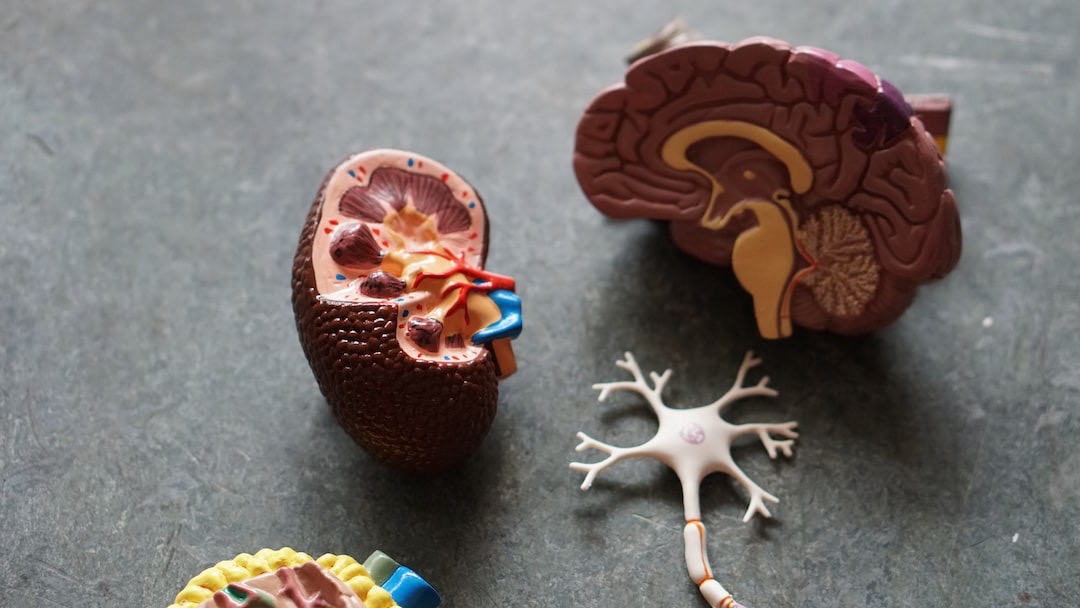
What are the 5 most successful ways to study for a multiple choice human anatomy and physiology exam?
Studying for a multiple-choice exam in human anatomy and physiology can be challenging due to the complexity and volume of information involved. However, there are several effective strategies that can help you retain the material and perform well.
Here are the 5 most successful ways to study for a multiple-choice exam in this subject:
1. Active Recall with Flashcards
Why it works: Active recall is one of the most powerful ways to solidify knowledge. By forcing yourself to recall information without looking at your notes, you create stronger neural connections and improve long-term retention.
How to use it: Create flashcards (physical or digital, using apps like Anki or Quizlet) for important terms, processes, structures, and functions. For example, flashcards for parts of the skeletal system, muscles, or organs and their functions. Include questions like, “What is the function of the mitochondria?” or “Where is the fibula located?”
Tip: Make sure to include both questions and answers that involve multiple-choice-style options, as this will mirror the format of your exam.
2. Practice with Sample Multiple-Choice Questions
Why it works: Familiarizing yourself with the test format and question styles is crucial. Practice questions help you learn how to quickly identify key details in the questions, and how to eliminate incorrect options.
How to use it: Find or create multiple-choice questions based on your textbook or class notes. There are many anatomy and physiology study guides and online resources with MCQs (like the Kaplan Anatomy & Physiology Q&A). If your textbook has review questions at the end of chapters, use those as well.
Tip: After answering a question, review the explanation behind the correct and incorrect answers. This reinforces your understanding and helps you spot any misconceptions.
3. Use Visual Aids (Diagrams and Videos)
Why it works: Human anatomy and physiology is highly visual. Many concepts, such as the structure of cells, organs, muscles, or circulatory pathways, are easier to grasp with visual representations.
How to use it: Study anatomical diagrams, flowcharts, and videos to reinforce your learning. For example, use 3D anatomy apps or websites (like Anki with anatomy decks, Visible Body, or Kenhub) to view organs and systems in detail. Label diagrams to test your memory and comprehension.
Tip: Watch YouTube videos or use online platforms like CrashCourse or Khan Academy to review complex topics with engaging visuals.
4. Chunking Information
Why it works: Breaking down large amounts of information into smaller, more manageable chunks improves memory retention. This is particularly effective when studying anatomy and physiology, which involves memorizing a vast amount of detail.
How to use it: Organize information into smaller "chunks" (e.g., study the respiratory system as one chunk, the digestive system as another). Within each chunk, focus on major concepts, and then break them down further. For example, within the digestive system, study the mouth, esophagus, stomach, intestines, etc.
Tip: Create study outlines and concept maps to connect related ideas, structures, and functions. This helps to visualize how systems interconnect and builds a deeper understanding.
5. Spaced Repetition
Why it works: Spaced repetition involves reviewing material at increasing intervals, which enhances long-term retention. It prevents cramming and promotes better memory consolidation over time.
How to use it: Use apps like Anki that utilize spaced repetition algorithms to schedule review of flashcards based on your individual retention. Set up a study schedule that revisits key concepts daily, then weekly, and so on as the exam approaches.
Tip: Focus more on the material you struggle with, but continue reviewing everything at some interval to ensure no topic is forgotten.
Additional Tips:
Create Mnemonics: For memorizing processes or lists, like the cranial nerves (e.g., "Oh, Oh, Oh, To Touch And Feel Very Green Vegetables, AH!").
Teach Someone Else: Explaining a topic to a friend or family member forces you to recall and organize your thoughts more clearly, reinforcing your understanding.
Group Study Sessions: Occasionally studying with peers can help fill in gaps or provide new insights. Just make sure it’s productive and not a distraction.
By combining these strategies, you'll improve both your comprehension and your ability to succeed on your multiple-choice anatomy and physiology exam.